The best deals of the year arrive with the year's busiest scammers. Fake storefronts appear overnight, delivery texts land within minutes of a real order, and "too good to be true" prices get shared faster than anyone can verify them. None of this requires you to shop in fear. It requires a short routine, applied consistently, from the first search result to the moment a parcel lands at your door.
Check the Store, Not Just the Price
Fake shops rarely look fake. They copy a real retailer's layout, borrow logo artwork, and write product pages that read convincingly. What they cannot fake easily is history and accountability. Before you hand over card details to a shop you have never used, spend two minutes on these checks:
- Look at the domain name character by character. Extra hyphens, swapped letters, and words like outlet, sale or official-store bolted onto a known brand are common tricks.
- Open the About and Contact pages. A real address, a working phone number and a company name you can trace are good signs. A contact form and nothing else is not.
- Search the store name plus "scam", "reviews" or "refund" and read the results, including the complaints.
- If you found it through an ad on social media, be extra cautious. Ads are cheap to place and easy to abandon.
A padlock in the address bar means the connection is encrypted. It does not mean the seller is honest. Plenty of fraudulent shops run on valid certificates.
Red Flags on the Product Page
Scam stores tend to share a personality. The price is dramatically lower than anywhere else, stock is "almost gone", and a countdown timer starts the moment the page loads. Urgency is the tool: it stops you from checking. Slow down instead.
Payment demands that should end the visit
If a shop only accepts a bank transfer, cryptocurrency or gift card codes, close the tab. Those methods are difficult or impossible to reverse, which is precisely why they are requested. Legitimate retailers accept cards because cards come with dispute rights.
Missing basics
No returns policy, no terms, no privacy notice, no physical address. Reviews that are all five stars, posted within the same week, with no detail about actual delivery. Product photos that appear on three other sites when you run a reverse image search. Any one of these is a reason to walk away from a bargain.
Choose a Payment Method That Can Fight Back
How you pay matters more than where you click. Payment methods are not equal when something goes wrong, and the difference shows up weeks later when a parcel never arrives.
- Credit cards generally give you the strongest dispute rights. If a seller takes your money and disappears, you can challenge the charge through your issuer. Terms vary by country, so check what your card actually covers.
- Virtual or single-use card numbers, offered by many banks and card apps, limit exposure to one merchant and expire after use.
- Payment services and digital wallets such as PayPal, Apple Pay or Google Pay keep your card number out of the merchant's hands entirely, which reduces the damage from a breach.
- Debit cards and direct transfers pull money straight from your account. Getting it back can take longer or may not be possible.
Use guest checkout where it is offered and you are not a regular customer, so your card is not stored on yet another server. Never send card details by email, text or chat, even if the "support agent" sounds helpful and official.
The Delivery Phishing Window
The days after a real order are when fake ones arrive. You get a text or email: a parcel is held, a small redelivery fee is due, the address needs confirming, customs needs payment. The message may carry a real courier's branding, a plausible tracking number, and a link to a page that asks for your card details.
Some of these messages are genuinely from carriers, which is exactly why they work. The rule that protects you is simple: never act through an unexpected link or attachment. Open a new tab, type the retailer's or carrier's address yourself, and check your order using the reference number from your confirmation email. If you must call, use the number on the official site, not the one in the message.
Treat unexpected "order confirmation", "invoice" or "refund" attachments the same way. Opening them can install malware or lead to a fake login page built to steal your credentials.
Lock Down the Accounts You Shop With
Shopping accounts hold addresses, order histories and often saved cards, which makes them valuable. A few habits do most of the work:
- Use a unique password for every retail account. A password manager makes this practical.
- Turn on multi-factor authentication, and prefer an authenticator app or a hardware key over SMS codes.
- Remove saved cards and old addresses from accounts you rarely use, and delete accounts you no longer need.
- Review third-party and browser extensions, especially coupon or price-tracking add-ons, which can read what is on every page you open.
- Install shopping apps only from official app stores, and check what permissions they request.
Keep your operating system, browser and banking app updated too. Most of these fixes are automatic if you let them be.
Keep a Record and Know Your Next Step
Save confirmations and order numbers. Take a screenshot of the product page, the price and the stated delivery window. Turn on transaction alerts with your bank so you see charges as they happen rather than at the end of the month. If a charge is fraudulent, contact your card issuer promptly, and follow up in writing through the retailer's official channel. For large sums, significant personal losses, or anything with a legal dimension, it is sensible to get professional advice rather than handle it alone.
A Five-Minute Routine Before You Check Out
Run this once per unfamiliar store and you will avoid most of the trouble the season brings.
- Confirm the domain and check the About and Contact pages.
- Search the store name with "scam" or "reviews".
- Compare the price with two other reputable sellers.
- Check the returns policy and delivery timeframe before paying.
- Pay by credit card, virtual card or a recognised wallet, never by transfer, crypto or gift card.
- Expect the delivery text, and ignore its links. Track through the retailer instead.
Good deals still exist. The shoppers who get them are simply the ones who verify before they buy, and who stay just as careful after the order is placed.
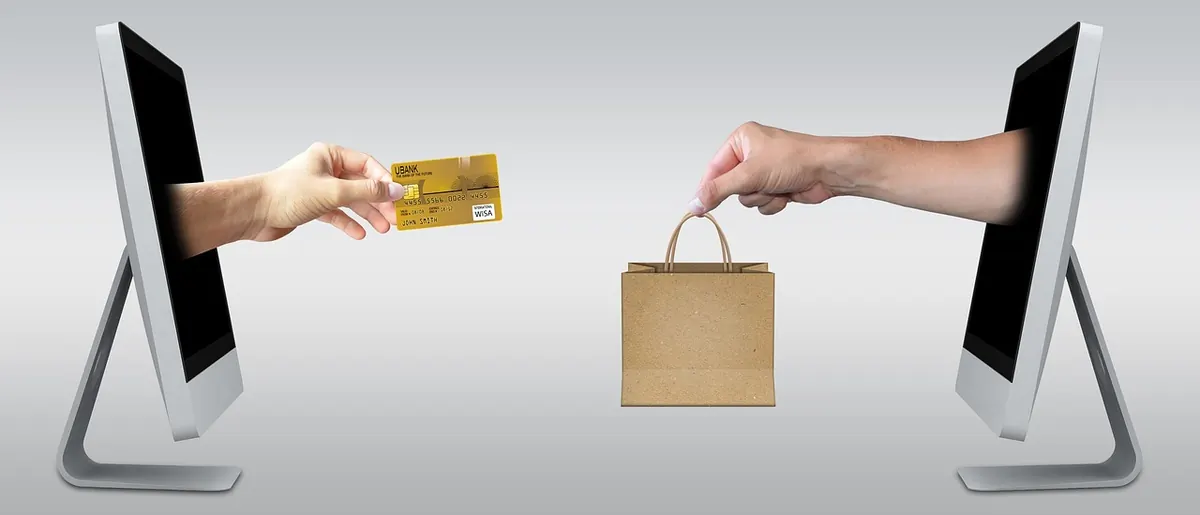
Photo: Mediamodifier / Pixabay